Emergency Dentist Bakersfield CA for Wisdom Tooth Emergencies
Wisdom tooth pain has a way of taking over everything. People often describe it as a dull ache at first, something they think they can push through until the weekend. Then it turns sharp, the jaw stiffens, the gum swells, and even drinking water feels wrong. By the time many patients start searching for an Emergency Dentist Bakersfield CA, they are no longer wondering whether it is serious. They just want the pain to stop and to know whether they are dealing with infection, impaction, or a tooth that needs to come out quickly.
Wisdom tooth emergencies sit in a tricky category. Some truly need same-day care. Others are urgent but can safely wait a short time with the right guidance. Knowing the difference matters, especially when swelling starts to spread or the pain begins radiating into the ear, throat, or neck. In Bakersfield, where long workdays, heat, dehydration, and packed schedules can make dental problems feel even harder to manage, it helps to understand what is actually happening in the back of the mouth and when to act fast.
Why wisdom teeth cause so many urgent dental visits
Wisdom teeth, also called third molars, usually erupt in the late teens or twenties. Some come in normally and never cause meaningful problems. Many do not. The back of the jaw often does not have enough space for these teeth to erupt in a healthy position. When that happens, they may stay trapped under the gum, push against the neighboring molar, or partially break through the tissue and create a small flap where food and bacteria collect.
That partial eruption is a common source of misery. The gum around the tooth becomes inflamed, tender, and difficult to clean. Patients often say the area feels like it is being pinched whenever they bite down. A simple meal can irritate the tissue enough to turn a manageable annoyance into real pain by the evening.
There is also a mechanical issue. Wisdom teeth are hard to reach with a toothbrush and even harder to floss effectively. Once swelling begins, cleaning the area gets more painful, and the cycle feeds itself. Bacteria stay trapped, inflammation worsens, and a localized problem can shift into an infection.
For some patients, the pain is not only in the gum. An impacted wisdom tooth can press against the second molar beside it. That pressure may cause jaw soreness, headaches, and pain that seems to move. People sometimes assume they have an ear problem or sinus pressure because the discomfort spreads through the side of the face.
When it is an emergency, not just a nuisance
A sore wisdom tooth is not automatically a dental emergency, but some warning signs should move the situation into urgent territory. Swelling that increases over hours, trouble opening the mouth, pus or a bad taste in the mouth, fever, pain when swallowing, and swelling that starts affecting the cheek or jawline deserve prompt care. If breathing or swallowing becomes difficult, that is more than a dental inconvenience and should be treated immediately.
Here are the most important signs that a wisdom tooth problem needs urgent evaluation:
- Rapidly increasing swelling around the gum, jaw, or cheek
- Severe pain that does not ease with standard over-the-counter medication
- Fever, foul drainage, or a bad taste suggesting infection
- Difficulty opening the mouth, chewing, or swallowing
- Bleeding that does not stop or trauma involving the tooth or jaw
These symptoms matter because dental infections in the lower back jaw can spread into surrounding tissues. That does not happen in every case, but experienced emergency dentists take it seriously because the consequences can escalate quickly once swelling moves beyond the immediate gum area.
What an emergency dentist is looking for
When a patient comes in with wisdom tooth pain, the first goal is not always immediate extraction. The first goal is diagnosis. A skilled emergency dentist wants to know whether the problem is infection in the gum around a partially erupted tooth, decay in the wisdom tooth itself, damage to the tooth next to it, a dry socket after a recent extraction, or something less obvious such as a cracked molar nearby that only feels like a wisdom tooth issue.
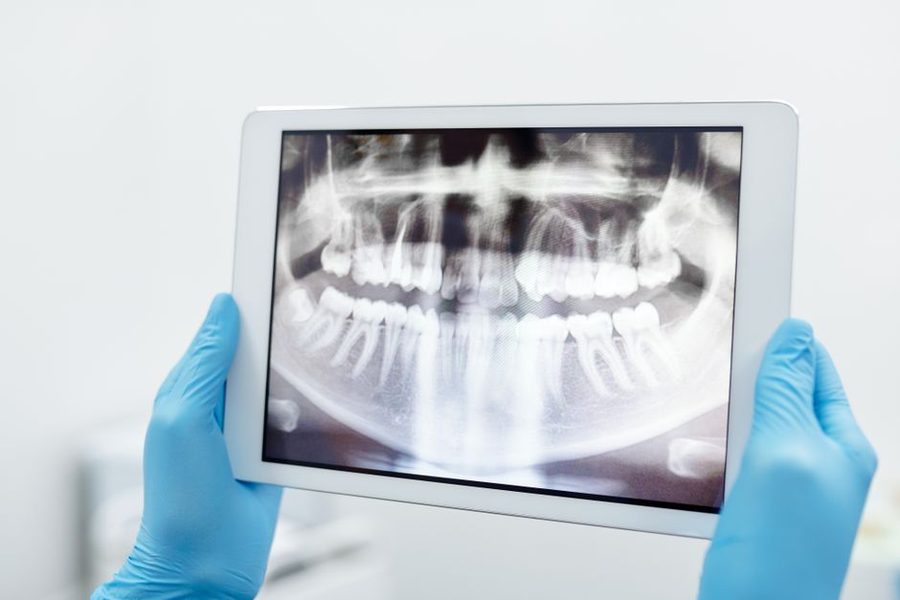
An exam usually includes a close look at the gum tissue and the bite, along with dental imaging if needed. X-rays help show whether the tooth is impacted, how it is angled, and whether it is pressing against the second molar or sitting near important structures such as the mandibular nerve. That last detail affects treatment planning. Some cases can be handled right away in a general emergency dental setting. Others are better referred quickly to an oral surgeon, particularly when the extraction is likely to be complex.
This is where judgment matters more than simple rules. Not every painful wisdom tooth should be removed during the first urgent visit. If the tissue is badly infected and the mouth barely opens, the dentist may need to stabilize the infection and inflammation first, then schedule extraction once the area is safer to treat. In other cases, same-day removal is entirely reasonable and offers the fastest path to relief.
The wisdom tooth emergencies dentists see most often
One of the most common emergencies is pericoronitis, inflammation and infection of the gum tissue around a partially erupted wisdom tooth. Patients often report soreness for a few days, followed by swelling and pain with biting. Sometimes the upper wisdom tooth hits the swollen lower gum every time the person closes their mouth, making the irritation dramatically worse.
Another frequent problem is impaction with pressure and referred pain. The tooth may be trapped under the gum or bone and pushing at an angle against the molar in front of it. This can create a deep, radiating ache that patients struggle to localize. The gum may not look terrible, yet the jaw hurts enough to interrupt sleep.
Decay is another culprit. Wisdom teeth are difficult to keep clean, so cavities can grow quietly until they become painful. Sometimes the emergency is not the wisdom tooth alone but the second molar beside it, which has developed decay because the wisdom tooth created a food trap that no brush could properly reach.
There are also post-extraction issues. If someone recently had a wisdom tooth removed and then develops worsening pain a few days later, a dry socket may be involved. Patients often describe dry socket pain as more severe than the original toothache. It tends to radiate, resist routine pain control, and create a constant throbbing sensation. It is treatable, but it should not be ignored.
What same-day treatment may involve
Emergency care for a wisdom tooth problem depends on what the exam reveals. Some patients need irrigation under the gum flap to flush trapped debris and reduce bacterial buildup. Others need drainage of a localized abscess. Prescription medication may be part of treatment when infection is present, though medication alone rarely solves a structural problem caused by an impacted or partially erupted tooth.
If extraction is the right move, the process can be straightforward or complex. A fully erupted wisdom tooth with accessible roots may be removed much like another molar. A partially erupted or impacted tooth often requires a more surgical approach. The dentist or oral surgeon may need to reflect gum tissue, remove some bone, or section the tooth into smaller pieces for safe removal.
Patients are often surprised that the most painful tooth is not always the hardest one to remove. I have seen cases https://anotepad.com/notes/sakstg3n where a person arrived exhausted and swollen, expecting a major ordeal, only to learn the tooth was accessible and could be treated efficiently. I have also seen the reverse, where mild pain hid a deeply impacted tooth that needed more careful planning. Symptoms tell part of the story. Imaging tells the rest.
What to do before you get to the office
A painful wisdom tooth can make people panic and try every home remedy they can find online. Some methods help. Others irritate the tissue or delay proper treatment. If you are trying to bridge the time until you can be seen, a conservative approach is best.
Use this short checklist while arranging urgent care:
- Rinse gently with warm salt water, especially after eating
- Take over-the-counter pain relief only as directed on the label, unless your doctor has told you otherwise
- Apply a cold compress to the outside of the cheek in short intervals if swelling is present
- Avoid poking the area with fingers, toothpicks, or cotton swabs
- Do not place aspirin directly on the gum, it can burn the tissue
That last mistake still happens. People are desperate for relief and remember old advice that sounded harmless. Aspirin belongs in the body as directed, not pressed against soft tissue in the mouth.
A Bakersfield reality, timing matters
In a city like Bakersfield, dental emergencies often collide with work and family obligations. Oil field shifts, agricultural work, warehouse jobs, long commutes, and limited flexibility during the week all make it tempting to wait. A patient may tell themselves they can hold on until Friday, or until the swelling “breaks on its own.” Sometimes they get away with that decision. Often they do not.
Heat and dehydration can make an already uncomfortable mouth feel worse. When the mouth is dry, tissue is more easily irritated and normal cleansing from saliva is reduced. If someone is dealing with swelling and also not drinking enough because it hurts to swallow, they can feel run down fast. That fatigue adds to the sense of urgency and can cloud judgment.
This is one reason searches for Emergency Dentist Bakersfield CA often happen late at night or early in the morning. Pain peaks when everything is quiet. There are fewer distractions, the pressure seems stronger, and the realization sets in that this is not going away on its own.
How dentists decide between antibiotics and extraction
Many patients arrive hoping for antibiotics because they are not ready for extraction that day. That is understandable. Antibiotics can be useful when there is active infection, especially with swelling, fever, or drainage. But they are not a permanent fix for a wisdom tooth that is repeatedly trapping bacteria or erupting in a bad position.
A good emergency dentist explains the trade-off clearly. If the gum is inflamed around a partially erupted tooth and the anatomy is the real problem, medication may calm the infection while leaving the cause in place. That can buy time for safer treatment or for referral to the right provider, but it does not guarantee the tooth will stop flaring up.
There are situations where delaying extraction makes sense. A patient may have severe trismus, meaning the mouth opening is too limited for safe access. The infection may need to settle first. The tooth may sit close to a nerve, requiring more advanced imaging or specialist management. The person may have medical conditions, pregnancy considerations, or medication issues that change the timing. Urgent care is still valuable in all of those cases because it moves the situation from uncontrolled pain to a supervised treatment plan.
The hidden damage wisdom teeth can cause nearby
Some wisdom tooth emergencies are not dramatic at first. The back molar in front of the wisdom tooth may be the real casualty. When an impacted wisdom tooth leans forward, it can create a pocket where plaque, food, and bacteria stay trapped. Over time, that can lead to decay on the second molar, or even bone loss around it.
This matters because preserving the second molar is often far more important than trying to hold onto a troublesome wisdom tooth. Once that neighboring tooth develops deep decay or periodontal damage, treatment becomes more complicated and more expensive. A patient who waits too long may end up with two problems instead of one.
I have seen younger adults who ignored intermittent wisdom tooth discomfort for a year because it came and went. By the time they came in, the wisdom tooth still needed removal, but the tooth next to it needed major restorative care as well. That is a frustrating outcome because earlier intervention could have kept the problem smaller.
If the pain started after extraction
Not every wisdom tooth emergency happens before removal. Some happen after. Normal post-extraction soreness is expected, especially during the first two or three days. Swelling usually peaks around that window as well. But worsening pain after initial improvement, a foul taste, bad odor, or visible loss of the blood clot may suggest dry socket.
Dry socket tends to be more common after lower wisdom tooth extractions and in patients who smoke, use straws too soon, or have more difficult surgical sites. The pain can be intense and often radiates toward the ear. Treatment usually focuses on cleaning the socket, placing a medicated dressing when appropriate, and helping the area heal with better pain control and home care.
Swelling that keeps increasing instead of leveling off also deserves attention. Not every postoperative swelling pattern means infection, but an office exam can sort out what is within the expected range and what is not.
Choosing the right urgent dental help
When you are in pain, the nearest office with an opening can feel like the obvious choice. Sometimes that works well. But wisdom tooth emergencies benefit from asking one practical question during the call: can this office evaluate and treat wisdom tooth infections and extractions, or will they only provide temporary relief and referral?
There is no shame in referral when a case is more surgical than routine. In fact, that can be the safest plan. The issue is transparency. Patients do better when they know whether they are booking a stabilizing visit, a likely same-day extraction, or a consultation that will lead to oral surgery shortly after.
If you are contacting an Emergency Dentist Bakersfield CA, it helps to mention specifics. Say whether you have swelling, fever, trouble swallowing, limited mouth opening, or a recent extraction. Those details allow the team to judge urgency and direct you appropriately.
Cost, urgency, and practical decision-making
Patients rarely think about dental cost in abstract terms when a wisdom tooth is throbbing. They think about whether they can be seen today and whether they can manage treatment financially. The honest answer is that costs vary widely depending on the complexity of the exam, imaging, infection management, sedation, and whether the extraction is simple or surgical.
That uncertainty is frustrating, but delaying care can become more expensive in the long run. A simple inflamed gum around a partially erupted tooth may be manageable early. A spreading infection, a damaged second molar, or a complicated surgical extraction after months of worsening impaction usually costs more, in time, stress, and money.
The best approach is often to get examined sooner, even if you are unsure about immediate extraction. An accurate diagnosis gives you options. Waiting without one usually narrows them.
Prevention is not always glamorous, but it works
No one gets excited about preventive wisdom tooth evaluations, yet they can save a great deal of pain. If a teen or young adult’s wisdom teeth are being monitored with routine dental visits and periodic imaging, a dentist can often spot trouble before it turns into an emergency. That does not mean every wisdom tooth should come out preemptively. It means each tooth should be judged on space, angulation, hygiene access, and risk to surrounding structures.
For adults who still have wisdom teeth, the basics matter. Careful brushing at the very back of the mouth, irrigation after meals if food traps are common, and not ignoring repeated soreness around the same tooth can prevent a smaller problem from becoming an urgent one.
The pattern to watch is recurrence. One isolated episode of irritation may settle. A tooth that flares every few months is sending a message.
The bottom line when the back of your jaw starts throbbing
Wisdom tooth emergencies are common because these teeth erupt late, fit poorly, and hide in an area that is difficult to clean and easy to ignore until something goes wrong. Sometimes the problem is a simple irritation of gum tissue. Sometimes it is infection, impaction, decay, or a complication after extraction. The symptoms can overlap, which is why an exam matters.
If swelling is growing, the pain is severe, or you are having trouble opening your mouth or swallowing, stop hoping it will settle on its own. Seek prompt care from an Emergency Dentist Bakersfield CA who can assess whether you need immediate treatment, medication, extraction, or referral to an oral surgeon. The sooner the cause is identified, the better your chances of avoiding a more serious infection and protecting the healthy teeth nearby.
Pain at the back of the mouth rarely improves because of grit or luck. It improves because someone looked closely, made the right call, and treated the real source of the problem.
Smyle Dental Bakersfield
2016 E St, Bakersfield, CA 93301, United States
+16614939040
FAQ About Emergency Dentist Bakersfield CA
What counts as a dental emergency?
Severe tooth pain, facial swelling, uncontrolled bleeding, a knocked-out or displaced tooth, and significant dental trauma may need prompt assessment. Trouble breathing or rapidly increasing swelling requires urgent medical help.
What should I do if a permanent tooth is knocked out?
Handle the tooth by the crown rather than the root, keep it moist, and contact a dentist immediately. Fast treatment can improve the chance of saving the tooth.
Can an emergency dentist treat severe tooth pain the same day?
Same-day care may be available depending on the cause and schedule. The dentist will examine the area, may take digital X-rays, and recommend treatment based on the diagnosis.
Should I go to the emergency room for dental swelling?
Seek urgent medical care for trouble breathing, difficulty swallowing, rapidly spreading facial swelling, or other severe symptoms. A dentist can assess the underlying dental cause and provide appropriate follow-up care.