Emergency Dentist Care for Midnight Tooth Emergencies

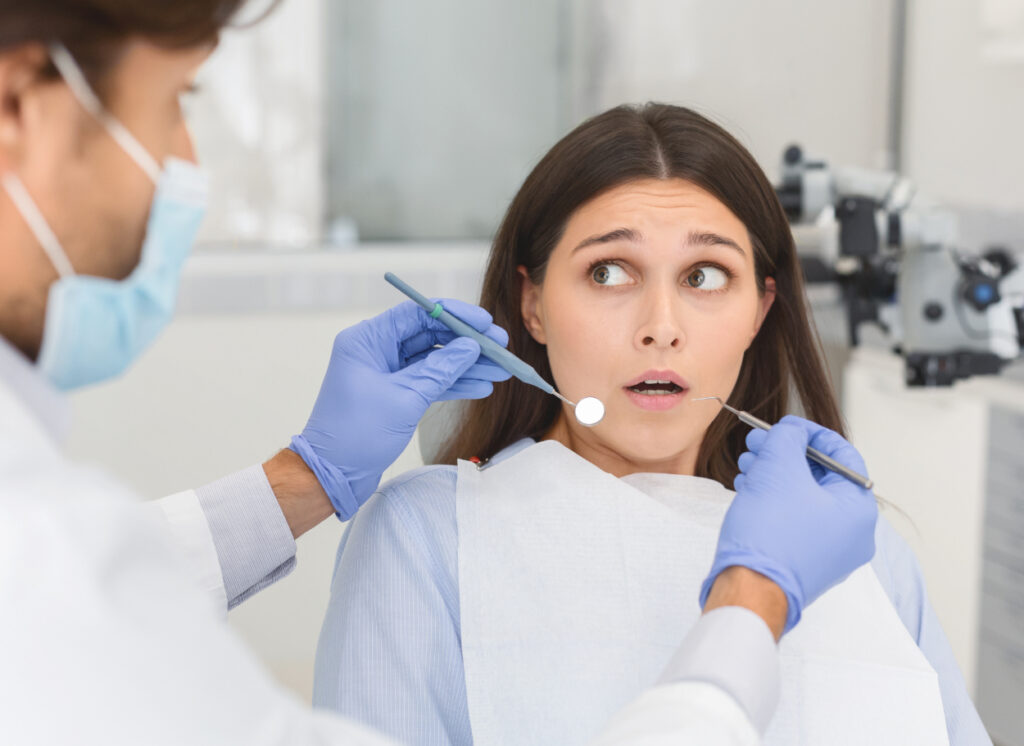

A tooth rarely chooses a convenient hour to break, throb, swell, or start bleeding. The calls that come in after midnight tend to sound the same at first, a mix of pain, worry, and that half-awake disbelief that something as small as a tooth can take over the entire night. A cracked molar from late-night popcorn, a crown that slips loose after dinner, a child who wakes up crying with a swollen cheek, an adult pacing the kitchen with a hand pressed to the jaw. Dental pain has a way of shrinking the world to one sharp point.
That is why emergency dental care matters so much. When people search for an Emergency Dentist in the middle of the night, they are usually not looking for a perfect long-term treatment plan at that moment. They want three things right away: to know whether the problem is dangerous, to control the pain, and to understand what to do before the office opens or an after-hours provider can see them. Good emergency care starts there.
What counts as a true dental emergency at midnight
Not every dental problem needs immediate treatment in the middle of the night, but some absolutely do. The challenge is that severe pain can make everything feel urgent, and sometimes a quiet-looking issue is more serious than it appears. In practice, the most time-sensitive situations are those involving uncontrolled bleeding, trauma, swelling that may affect breathing or swallowing, and infections that are spreading.
A knocked-out adult tooth is a classic dental emergency because the chance of saving it drops as time passes. A broken tooth with the nerve exposed can become agonizing within minutes. Facial swelling from an abscess can move from painful to dangerous faster than many people expect. I have seen patients dismiss a “small gum bump” in the evening and wake a few hours later with a visibly enlarged jaw and difficulty opening the mouth. Midnight is not the time to hope those signs will settle down on their own.
By contrast, a lost filling, a mild toothache, or a chipped tooth without pain may be urgent but not necessarily emergent. They still deserve prompt attention, often within a day or two, but they do not always require an immediate trip out the door. The important distinction is whether there is active danger, severe uncontrolled discomfort, or a risk that waiting will worsen the outcome.
The symptoms that should make you act fast
The safest approach is to pay attention to patterns, not just pain intensity. Some of the most serious dental emergencies are obvious, while others announce themselves through a cluster of symptoms.
- swelling of the face, gums, or jaw, especially if it is increasing
- fever, foul taste, pus, or a known abscess with significant pain
- bleeding that does not stop after steady pressure
- a knocked-out, loosened, or displaced tooth after trauma
- trouble breathing, swallowing, or opening the mouth normally
Any one of these can justify urgent contact with an Emergency Dentist, and breathing or swallowing difficulty raises the stakes immediately. In that setting, medical emergency services may be the right first call, because the airway always comes before the tooth.
Why nighttime tooth pain feels worse
There is a reason many people report that a manageable toothache becomes unbearable after dark. Part of it is simple biology. When you lie down, blood flow to the head can increase pressure around inflamed tissues. A tooth with an irritated nerve may throb more intensely in that position. Night also strips away distraction. There is no work meeting to sit through, no errands to run, no ambient noise of the day. Pain gets the full stage.
Dry mouth can make it worse too. Mouth breathing, certain medications, and dehydration all leave the tissues more sensitive. If the source is clenching or grinding, the soreness often peaks at night or on waking because the jaw has been under strain for hours. Patients are sometimes surprised to learn that what feels like “one bad tooth” is really referred pain from inflamed muscles or a cracked tooth stressed by grinding. Midnight emergencies do not always come with a tidy diagnosis.
The most common midnight dental crises
Severe toothache leads the list by volume. Often the cause is deep decay that has reached the pulp, the soft tissue inside the tooth where the nerve and blood supply live. Once that tissue becomes inflamed or infected, the pain can shift from intermittent sensitivity to a relentless pulse. Warm drinks may trigger it. Biting may worsen it. Then eventually even still air can feel offensive to the tooth.
Abscesses are another frequent cause of overnight distress. A dental abscess may start as a neglected cavity, a crack, or advanced gum disease. The pressure of trapped infection can become excruciating, and if it begins to drain into the mouth, patients may notice a salty, metallic, or foul taste. That taste can be a clue, not a cure. Drainage does not mean the infection is gone.
Broken teeth are common after evening meals, sports, or accidental falls. A fracture may expose dentin or pulp, making the tooth exquisitely sensitive to temperature and air. Sometimes the break is visible. Sometimes it is a split below the gumline, harder to spot but easy to feel when biting. People often describe it as a sharp zing on release rather than on pressure.
Lost crowns and fillings tend to sound minor, but they can create real pain if a large area of the tooth is exposed. A crown that comes off a back molar on a Friday night can leave a jagged surface that traps food and irritates the tongue. If the tooth underneath has decay or a short remaining structure, the situation can deteriorate quickly.
Then there is trauma. A child collides with a coffee table, an adult takes an elbow during a rec league game, someone slips on the stairs after taking the dog out before bed. Dislodged teeth, lip lacerations, jaw pain, and hidden fractures often arrive together. In these cases, the tooth is only part of the assessment.
What to do before you can be seen
The hours between the onset of a dental emergency and professional treatment matter. Calm, sensible first aid can reduce pain and improve the outcome. Improvised fixes can make things worse. The goal is to protect the area, limit swelling, and avoid actions that compound the damage.
For most painful teeth, a warm saltwater rinse is a reasonable first step. It will not cure an infection, but it can soothe irritated tissue and help clear debris. A cold compress on the outside of the cheek can reduce swelling and dull pain. Over-the-counter pain relievers may help if you can safely take them, but they need to be used according to the label or your clinician’s instructions. This is not the moment for doubling doses out of desperation.
If a tooth has been knocked out, time becomes very important. Handle the tooth by the crown, not the root. If it is visibly dirty, rinse it gently with milk or saline, or clean water if nothing else is available, but do not scrub it. For an adult tooth, placing it back in the socket can preserve the best chance of success if it goes in correctly and the patient can tolerate it. If that is not possible, keep it moist in milk or in a tooth preservation kit if one is available. A napkin, tissue, or dry cup is the wrong choice because the root surface can dry out quickly.
If a crown comes off, keep it. Sometimes it can be recemented if the tooth and crown are intact. If a filling is lost, avoid chewing on that side and keep the area clean. If a tooth breaks, save the fragments. They are not always useful, but occasionally they help with repair decisions.
There are also a few things worth avoiding because they are common and unhelpful. Aspirin placed directly on the gum can burn tissue. Heat packs on a swollen face may worsen inflammation. Trying to superglue a crown or a broken tooth back in place can complicate treatment. Alcohol as a pain remedy may interfere with medications and does nothing for the cause.
Pain control without making the problem worse
Most people are less interested in anatomy than in one blunt question: how do I get through the next few hours? That is reasonable. Dental pain can be exhausting, and sleep deprivation magnifies it. Short-term pain control usually works best when it combines local care with appropriate medication and a bit of strategy.
Cold is usually more helpful than heat for trauma or swelling. Soft foods reduce pressure on a sore tooth. Keeping the head elevated can make throbbing less intense. If biting triggers the pain, even something as simple as changing which side you chew on can lower the irritation enough to make the night manageable.
Medication choices depend on your age, medical history, allergies, pregnancy status, stomach health, kidney function, blood thinner use, and other factors. That is why broad internet advice often misses the mark. Anti-inflammatory medication may help some dental pain particularly well, but it is not safe for everyone. Acetaminophen can be useful in many cases, but it also has dosing limits people should respect. A phone call to an after-hours dentist or physician is often worthwhile if you are unsure what is safe for you personally.
One practical point from experience: do not wait until the pain is intolerable to start reasonable self-care. People often spend hours hoping it will pass, then call at 2:00 a.m. In far worse shape than they were at 10:00 p.m. Early action does not always prevent a sleepless night, but it often prevents a spiraling one.
When an Emergency Dentist is the right call, and when the hospital is
Dental offices, even those that offer urgent after-hours care, are designed to treat teeth, gums, and supporting structures. Hospitals are designed for threats to overall health and safety. Knowing where your situation fits can save precious time.
If the issue is a severe toothache, a lost crown with major pain, a broken tooth, or localized swelling without breathing trouble, an Emergency Dentist is often the best first stop. Dental teams have the imaging, tools, and treatment options needed to diagnose the source and relieve it, whether that means draining an abscess, prescribing medication when appropriate, placing a temporary restoration, stabilizing a tooth, or arranging root canal or extraction care.
If there is significant facial trauma, suspected jaw fracture, heavy bleeding that will not stop, high fever with spreading infection, confusion, dehydration, or any trouble breathing or swallowing, emergency medical care should take priority. I have seen patients lose valuable hours driving from one setting to another because they chose based on convenience rather than risk. A swelling that lifts the tongue or tightens the throat is not “just dental.”
Children, older adults, and people with weakened immune systems can shift categories faster. So can anyone who has had recent major dental work and develops rapid swelling or severe postoperative bleeding. Context matters.
What happens during an emergency dental visit
A good emergency appointment is focused, not rushed. The first step is triage. The team wants to know how long the problem has been present, what triggered it, whether swelling or fever is involved, what helps or worsens the pain, and whether there has been trauma. They also need a clear medication and medical history because it affects both diagnosis and safe treatment.
Examination usually includes visual inspection, tapping or temperature testing of the tooth when appropriate, assessment of gum tissues, and often radiographs. Patients are sometimes disappointed that the final solution is not done immediately, but midnight dentistry often works in stages. The first priority is getting pain and infection under control, stabilizing damage, and preventing further harm. The definitive treatment may come at a follow-up visit in daylight hours when full scheduling, specialist support, or laboratory work is available.
For example, a tooth with an acute pulp infection may be opened and treated enough to relieve pressure, then completed later with root canal therapy or extraction depending on the condition of the tooth. A broken front tooth after a fall may receive smoothing and a temporary protective restoration overnight, with cosmetic rebuilding later. An abscess may need drainage and antibiotic support in selected cases, but the source still has to be addressed or the infection will likely return.
Patients usually feel better once they understand that emergency care is not “lesser” care. It is targeted care. The purpose is to stop the crisis, preserve options, and buy time safely.
The cost question people ask in a whisper
No one likes discussing money at 1:30 a.m., yet most people think about it immediately. Emergency dental care can cost more than a routine daytime appointment, particularly if after-hours staffing, imaging, medications, or complex procedures are involved. The range is wide because the problems are wide. A simple exam and palliative treatment is different from trauma management or surgical extraction.
The practical move is to ask clearly what the visit fee covers, whether radiographs are separate, what treatment is likely tonight versus later, and how insurance may apply. Some offices can provide estimates before you arrive, at least in broad terms. Others may not be able to quote exact numbers until the examination is complete. That is normal. A broken tooth can turn out to need a smoothing, a temporary build-up, a root canal, a crown, or removal, and those are very different situations.
What matters most is transparency. Good emergency practices explain what is necessary now, what can safely wait, and where there is flexibility. The cheapest option at midnight is not always the least expensive over time if it allows the condition to worsen into a more involved problem.
Special situations that change the advice
Pregnancy deserves special mention because dental infections and severe pain should not simply be endured. Many pregnant patients hesitate to seek care at night, fearing treatment or imaging. In reality, untreated infection carries its own risk, and emergency dentists routinely weigh the safest approach. The key is to disclose the pregnancy and any relevant medical details.
Children can be harder to assess because they may point to the wrong tooth or struggle to describe the sensation. A toddler with facial swelling, a school-age child with a knocked-out permanent tooth, or a teenager with trauma after sports all need prompt, tailored attention. Primary teeth and permanent teeth are managed differently, so age matters.
People with diabetes, compromised immunity, recent organ transplants, head and neck radiation history, or bisphosphonate use often need more individualized decisions as well. What looks like a standard infection in one person may carry higher stakes in another.
How to make fewer midnight emergency calls in the first place
Most after-hours dental crises are not random bad luck. Some are truly unavoidable, especially trauma, but many start weeks or months earlier with small warning signs that were easy to postpone. Sensitivity that lingers after cold drinks, a filling that feels rough, food trapping between teeth, gum bleeding around one area, a crown that wiggles once and then seems to settle down, all of these deserve attention before they mature into a 2:00 a.m. Problem.
There is also a predictable seasonal pattern in emergency care. Holidays bring hard foods, disrupted routines, and delayed appointments. Summer brings sports injuries and travel. Exam periods and stressful work stretches bring more clenching, cracked teeth, and jaw pain. If you know your habits change in certain months, plan around that. Mouthguards for sports and for nighttime grinding are less glamorous than emergency visits, but far more comfortable.
A basic emergency kit at home helps too, especially for families with children or active adults. Gauze, a small container with a lid, saline, a cold pack, and the phone number of a trusted Emergency Dentist can make an ugly situation feel more manageable. The point is not to turn your bathroom into a clinic. It is simply to avoid scrambling when every minute feels louder.
The human side of midnight dentistry
There is a particular expression people have when the pain finally eases. Shoulders drop first, https://jaredhnii969.opalvector.com/posts/emergency-dentist-faqs-for-first-time-patients then the jaw unclenches, then the room seems to come back into focus. That moment matters. Dental emergencies can make sensible, composed adults feel panicked and helpless. They can interrupt travel, derail sleep, and trigger worries that are larger than the tooth itself. Will I lose it? Is this infection spreading? Can I work tomorrow? Is my child okay?
The best emergency dental care answers those fears with judgment, not just technical skill. It separates the truly dangerous from the merely miserable. It treats pain seriously without promising miracles. It gives clear instructions for the next few hours and the next few days. It also recognizes that at midnight, people need plain language. They do not need a lecture on oral health choices when they are gripping the armrests in pain.
If you ever find yourself searching for an Emergency Dentist in the small hours, remember that the first job is not to diagnose yourself perfectly. It is to recognize the warning signs, avoid risky home fixes, protect the area as best you can, and get the right level of help quickly. Teeth can wait for many things. Airway problems, spreading infection, and uncontrolled pain should not.
Simple Dental South Gate
Address: 8617 California Ave, South Gate, CA 90280
Phone number: +13236896118
FAQ About Emergency Dentist Southgate CA
What can the ER do for a tooth?
The emergency room can provide temporary symptom relief for a bad tooth, such as prescribing pain medicine or antibiotics, but it cannot fix the actual dental problem.
What is the 3-3-3 rule for tooth infection?
The 3-3-3 rule for a toothache or infection typically means taking three 200 mg ibuprofen tablets (600 mg total) three times a day for no more than three days to control pain and swelling while waiting to see a dentist.
What do you do if you have a dental emergency but no dentist?
If you have a dental emergency and no regular dentist, you should search for an urgent care dental clinic, call local walk-in dental offices, or go to a hospital emergency room if you have severe bleeding, swelling, or trouble breathing.