General Dentist Santa Clarita CA Care You Can Count On Year-Round
Finding a dentist is easy. Finding one you trust over the long haul is different. People want consistency, clear communication, and care that holds up whether they come in for a routine cleaning in spring or call with a broken filling the week before a holiday. That is where a reliable general dentist becomes part of the rhythm of everyday health, not just a name on an insurance card.
For families and working adults in the Santa Clarita area, dental care tends to compete with everything else on the calendar. School schedules, commuting, sports practices, business travel, and the ordinary demands of running a household can push oral health further down the list than it belongs. Most people do not skip the dentist because they do not care. They skip because life gets crowded, symptoms seem minor, or they assume they will “get to it next month.” A good general dental office understands that reality and helps patients stay ahead of avoidable problems.
When people search for a General dentist Santa Clarita CA, they are often looking for more than a cleaning appointment. They want a practice that can care for children, monitor changing adult dental needs, catch problems early, handle common restorative work, and offer practical guidance that fits real life. They also want a team that treats them with respect, explains options plainly, and keeps care predictable throughout the year.
What year-round dental care actually means
Year-round care is not about being in the dental chair constantly. It is about maintaining a steady relationship with a provider who knows your history, notices changes, and can intervene before a minor issue turns expensive or painful. In practical terms, that usually means regular exams and hygiene visits, but it also includes monitoring gum health, checking older fillings and crowns, reviewing bite patterns, watching for wear from grinding, and discussing habits that affect the mouth every day.
A patient may come in feeling perfectly fine and still leave having caught a cavity between teeth, a cracked filling, early gingivitis, or enamel wear along the gumline. Those findings are common precisely because many dental issues are quiet in the beginning. Teeth are remarkably good at hiding trouble until damage reaches a point where treatment becomes more involved.
I have seen this pattern play out in ways that are almost predictable. A patient delays a six month visit because work gets busy. Then summer travel stretches the delay to nine months. By the time they come in, what could have been a small filling is now a larger restoration, or the gums show deeper inflammation than they did before. It is rarely negligence. More often, it is a simple case of underestimating how much can change in a year.
The role of a general dentist in everyday health
A general dentist is often the main point of contact for oral health. That matters because the mouth does not operate in isolation. Dry mouth from medications, gum inflammation linked to overall health conditions, jaw tension from stress, and dietary habits all show up during routine dental care. The best general practices keep that wider picture in mind.
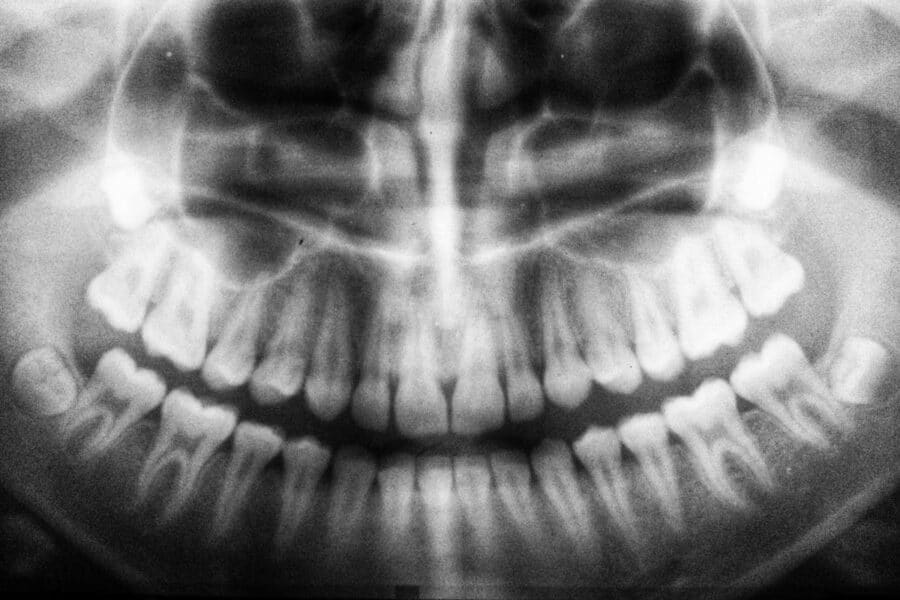
Routine care tends to fall into a few broad categories. Preventive services include cleanings, exams, X-rays when appropriate, fluoride recommendations, and sealants in certain cases. Restorative work covers fillings, crowns, replacement of worn restorations, and treatment planning for damaged teeth. Many general dentists also manage night guards, monitor wisdom tooth concerns, evaluate suspicious sores or changes in tissue, and coordinate referrals when specialized care makes more sense.
That coordination is one of the underrated benefits of staying with a trusted office. If you need a root canal, orthodontic evaluation, periodontal treatment, or oral surgery, a good general dentist does not just hand you a phone number and move on. They give context, explain why the referral matters, and continue tracking your care after the specialist visit. Patients notice that continuity. It reduces confusion and makes treatment feel manageable.
Why consistency matters more than people think
Dental care works best when records, images, prior treatment, and personal habits are all part of the same ongoing story. When patients bounce from office to office based solely on convenience, urgent openings, or promotional pricing, important details can get lost. That does not mean every change in dentist is a mistake. People move, insurance changes, and life evolves. But there is real value in being known by your care team.
Consistency helps in subtle ways. Your dentist notices if recession along one area of the gums has progressed since last year. They remember that a molar had a large old filling and may need closer observation. They know if your bite tends to chip a specific edge of a front tooth. They can compare current X-rays to earlier images rather than starting from zero each time. Those details influence judgment, and judgment is what separates thoughtful care from assembly line dentistry.
Patients feel the difference, too. They are more likely to mention a small sensitivity or ask a question about bleeding gums when they are not starting over with strangers at every appointment. Comfort leads to better communication, https://arthurpuoq028.bearsfanteamshop.com/how-a-general-dentist-in-santa-clarita-ca-helps-treat-cavities-early and better communication often leads to earlier treatment.
The seasonal patterns dentists see all year
Oral health habits shift with the calendar more than most people realize. In January, many patients come in motivated, ready to use new insurance benefits and finally address postponed treatment. By spring, school events and tax season distract people. Summer often brings schedule disruptions, sports injuries, sugary drinks, and missed routines. Fall fills up with school, work deadlines, and holiday planning. December becomes a rush of last minute appointments tied to insurance deadlines.
Those patterns matter because dental problems do not pause for busy seasons. Children may snack more often during summer break, which increases cavity risk if brushing becomes less supervised. Adults who travel frequently may neglect flossing or wear temporary stress-related clenching into their routine. During the holidays, acidic drinks, sweets, and irregular sleep can aggravate sensitivity, dry mouth, and jaw tension.
A dependable General dentist Santa Clarita CA practice anticipates these patterns and builds care around them. That might mean encouraging families to schedule cleanings before school starts, recommending mouthguards during sports seasons, or helping patients use remaining benefits before year end without pushing unnecessary treatment. Good care meets patients where they are instead of assuming ideal habits every month of the year.
Children, teens, and the family schedule
Family dentistry often succeeds or fails on logistics. Parents can manage a lot, but if appointments are hard to book, communication is vague, or treatment plans feel rushed, routine visits get postponed. The right office makes family care easier rather than more complicated.
Children benefit from familiarity. When they see the same practice over time, the dental environment becomes normal rather than intimidating. That alone can reduce fear and improve cooperation. The dentist also tracks growth, eruption patterns, hygiene development, and cavity trends. A child with deep grooves on molars, frequent snacking, or inconsistent brushing may need a more tailored prevention plan than another child of the same age.
Teenagers present a different set of challenges. Sports, orthodontic appliances, energy drinks, irregular sleep, and a growing desire for independence all affect oral health. Some teens do well with basic reminders. Others need blunt, practical coaching about plaque buildup around brackets, the damage caused by chewing ice, or the risk of skipping a night guard during high stress periods.
Parents often appreciate a dental team that can communicate directly with teens without talking down to them. That professional, matter-of-fact tone tends to get better results than lectures.
Adult dentistry is often about maintenance, not crisis
Many adults assume that if they do not have a toothache, they are doing fine. That is not always true. Adult dental care is often about preserving what already exists. Fillings wear. Crowns age. Gumlines recede. Teeth shift subtly. Clenching creates small fractures that may not hurt until a cusp breaks. None of this is dramatic at first, but all of it benefits from regular monitoring.
One of the most common conversations in general practice centers on old dental work. A filling placed years ago can remain functional for a long time, but margins may eventually leak, enamel may crack around it, or recurrent decay may develop. Patients are sometimes surprised to hear that a restoration needs replacement despite having “no pain.” That recommendation is not about fixing what is not broken. It is about recognizing when the structure is weakening before a larger failure occurs.
The same goes for gum health. Bleeding during brushing is easy to dismiss, yet it often signals inflammation that should not be ignored. Early gum disease may improve significantly with better home care and professional cleaning. If neglected, it can progress in a way that is harder and more expensive to reverse.
The quiet influence of stress, diet, and dry mouth
General dentistry is not just about cavities. Some of the biggest oral health changes come from modern daily life. Stress shows up as clenching, grinding, jaw soreness, headaches, and chipped teeth. Diet shows up as acid erosion, sugary beverage exposure, and frequent snacking that never gives enamel much recovery time. Medications show up as dry mouth, which can increase cavity risk surprisingly fast.
A patient who sips sparkling water, coffee, or sports drinks all day may not think of their routine as especially harsh on teeth. Yet repeated acid exposure, even from choices people consider healthy, can soften enamel over time. Another patient may take allergy medication or blood pressure medication and develop persistent dry mouth without realizing how much saliva matters. Saliva is not just moisture. It helps buffer acid and protect teeth.
These are the kinds of issues a skilled general dentist spots through patterns. A dentist may notice wear on biting edges, new decay near the gumline, or tissue changes that point back to habits, medications, or stress. That conversation can be as valuable as the treatment itself because it addresses the cause, not just the symptom.
What patients should expect from a strong preventive visit
A preventive visit should feel more substantial than a quick polish and a reminder to floss. Patients deserve a real assessment. That includes evaluating gums, examining existing restorations, checking for cracks or areas of wear, reviewing any pain or sensitivity, and discussing home care in a way that matches the patient’s actual routine.
A thorough appointment often leads to practical, specific advice. A patient with recession may do better with a softer brushing technique and a low abrasion toothpaste. Someone with frequent cavities may need a fluoride strategy and a more honest discussion about snacking frequency. A patient who clenches at night may need a guard before the teeth show deeper damage. The details vary, but the principle is the same. Good dentistry is personalized.
It is also honest about trade-offs. Not every worn tooth needs immediate treatment. Not every stained surface is a disease issue. Not every small finding justifies aggressive intervention. Sometimes the best recommendation is to monitor, photograph, and revisit. Patients usually appreciate that restraint because it signals judgment instead of salesmanship.
When small symptoms deserve prompt attention
Many people wait too long with symptoms that seem manageable. A twinge with cold drinks, occasional bleeding, food packing between teeth, or a rough edge on a filling can all point to problems worth examining early. Pain is not the only threshold that matters.
These are common reasons to call sooner rather than later:
- A tooth becomes newly sensitive to cold, sweets, or biting pressure.
- A filling, crown, or veneer feels loose, rough, or chipped.
- Gums bleed regularly, look swollen, or start pulling away from teeth.
- Jaw pain, morning headaches, or signs of grinding begin showing up.
- A sore, lump, or irritated patch in the mouth does not improve within two weeks.
Early evaluation often means simpler treatment. Even when the answer is “let’s monitor this,” patients gain clarity and a baseline. That peace of mind is worth more than many people expect.
Choosing a dental office you can stay with
Location matters, but convenience alone is not enough. Patients benefit most from a practice they can stay with for years, especially if the office has a stable team, clear financial communication, and a steady approach to treatment planning. Trust tends to build through repetition. You see how the office handles routine care, how they respond when something urgent happens, and whether recommendations stay consistent over time.
The first visit tells you a lot. Was the exam thorough? Did the dentist explain findings in plain language? Were treatment options presented with context, not pressure? Did anyone ask about your goals, whether that means less sensitivity, better gum health, replacing old work, or simply getting back on track after a long gap? Patients can usually tell within one or two visits whether an office sees them as a person or a production slot.
For those searching specifically for a General dentist Santa Clarita CA, it is worth considering practical matters beyond chairside manner. Appointment availability matters if your family has limited weekday flexibility. Insurance coordination matters if you are budgeting for care. Follow up matters if you ever need an unscheduled visit for pain or a chipped tooth. Dentistry is both clinical and logistical. A strong practice handles both sides well.
Restorative care should protect the long term
Most adults will need restorative treatment at some point. The question is not whether fillings or crowns are ever necessary. The question is whether treatment is planned with long term function in mind. A filling should not simply patch a hole. It should restore the tooth in a way that respects bite forces, cleans well, and makes sense given the size and location of the damage.
This is where nuance matters. A small cavity can often be treated conservatively. A heavily restored tooth with a crack may need something more protective. A patient who grinds intensely may need a different conversation than someone with low bite stress. Good restorative care is part technique, part diagnosis, part judgment.
Patients sometimes ask how long dental work “should last.” The truthful answer is that lifespan varies. Materials matter, but so do home care, bite forces, diet, grinding, and the size of the original problem. A well done filling can last many years. A crown can serve a long time as well. Yet no dental restoration is permanent in the strict sense. The goal is durability, function, comfort, and preserving tooth structure as wisely as possible over time.
The value of a calm approach to dental anxiety
A significant number of adults still carry anxiety from earlier dental experiences. Sometimes it comes from pain during childhood treatment. Sometimes it comes from shame about neglected care. Sometimes it is simply fear of losing control. A good general dentist recognizes those patterns quickly.
Patients do better when offices speak calmly, explain what they are doing, pause when needed, and avoid judgmental language. That may sound basic, but it changes everything for someone who has postponed care for years out of dread. I have seen patients walk in braced for criticism and leave relieved because the conversation stayed practical. Instead of “Why did you wait so long?” the better approach is “Here is where things stand, here are your options, and here is how we can make this manageable.”
That kind of care builds loyalty. It also improves outcomes because patients who feel respected are more likely to return, follow through, and ask questions before small concerns become larger ones.
A realistic home care routine beats a perfect one
Dental professionals naturally emphasize brushing, flossing, and routine visits, but the most effective advice is often the most doable. Patients do not need elaborate routines they cannot sustain. They need a solid plan they can follow even during busy weeks.
A realistic year-round routine usually looks like this:
- Brush thoroughly twice a day with a fluoride toothpaste.
- Clean between teeth once daily with floss or another effective interdental tool.
- Limit constant sipping and grazing, especially sugary or acidic drinks.
- Keep regular recall visits so small changes do not go unnoticed.
- Use any recommended protective aids, such as a night guard or fluoride rinse, consistently.
The key word is consistently. A patient who follows a simple routine most days will usually do better than one who aims for perfection and falls off every few weeks. Dentistry rewards steady habits.
Why local, dependable care still matters
There is a practical advantage to having your dental home close to where you live or work. When a crown comes loose, a child chips a tooth at practice, or you wake up with sharp pain before an important week, local access matters. It is much easier to stay current with care when the office is woven into your normal geography.
That is one reason patients look specifically for a General dentist Santa Clarita CA rather than casting a wider net. They want care that is nearby, familiar, and available throughout the year, not just during scheduled hygiene visits. They want a team that knows their history, can pull up prior images, and can make sound decisions quickly when something changes.
Reliable dentistry is not flashy. Most of the time, it is quiet, methodical work done well and repeated consistently over years. It is the regular exam that catches a problem while it is small. It is the conversation that connects dry mouth to a medication change. It is the replacement of a failing filling before a tooth fractures. It is the office that answers the phone when a patient has an urgent concern and does not make them feel like an inconvenience.
That is what dependable year-round care looks like in real life. Not perfect teeth, not constant treatment, just steady professional attention that helps people keep their mouths healthy, functional, and comfortable through all the ordinary seasons of life.
Smyle Dental Newhall
Address: 23754 Newhall Ave, Santa Clarita, CA 91321
Phone number: +16612559200
FAQ About General dentist Santa Clarita CA
What does it mean by general dentist?
A general dentist is your primary dental care provider. They focus on the overall prevention, diagnosis, and treatment of your daily oral health needs. Think of them as your primary care doctor, but for your teeth and gums.
What is the difference between a dentist and a general dentist?
A dentist is a broad professional title for any licensed oral healthcare provider, while a general dentist is a specific type of primary care dentist who focuses on routine, preventive, and everyday treatments.
What is the difference between a dentistry practitioner and a dentist?
A dentist is a licensed doctoral-level healthcare professional, whereas a dental practitioner is a broader umbrella term that can include dentists as well as other trained oral health professionals.